
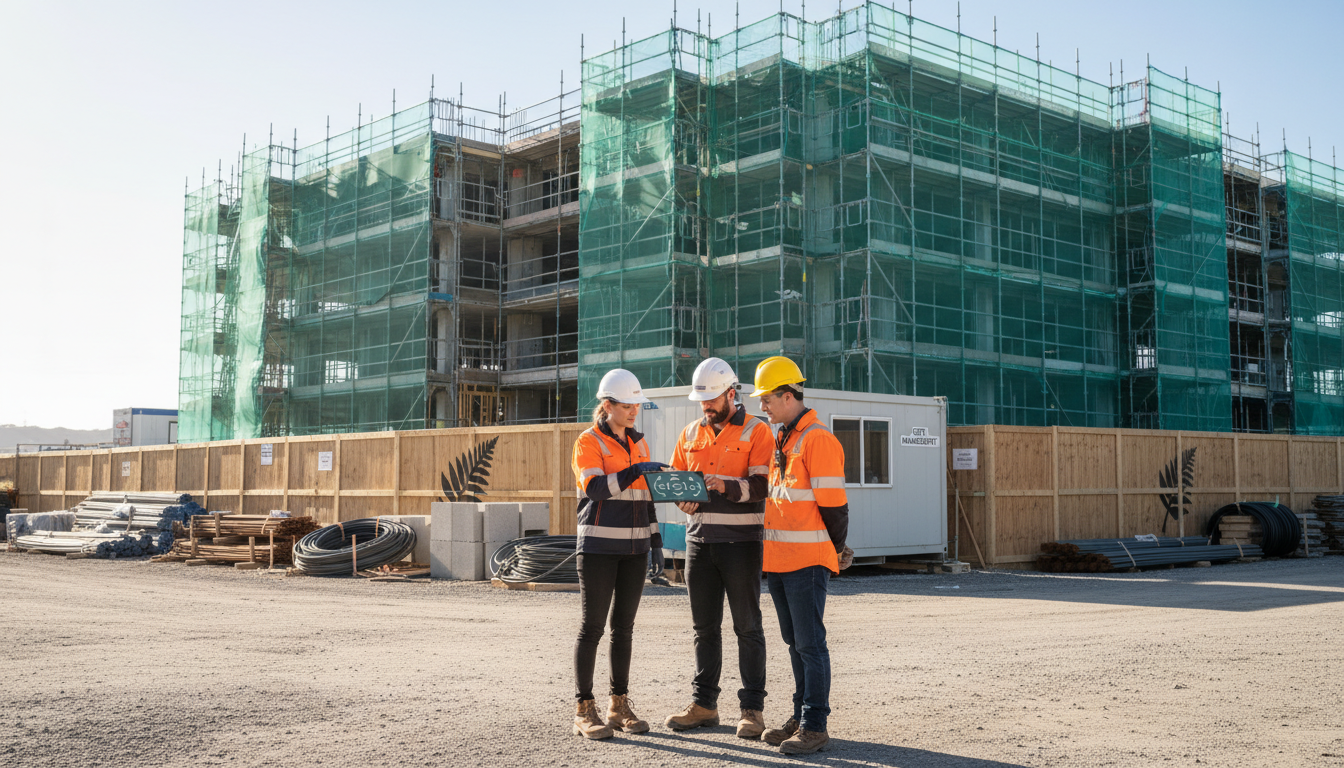
Construction sites are dynamic environments, and managing safety is a continuous, critical effort. For site managers in New Zealand, ensuring every hazard is identified, reported, and most importantly, resolved, is paramount. This is where a closed-loop hazard reporting system becomes indispensable.
The Challenge of Open-Ended Hazard Reporting
Traditionally, hazard reporting on construction sites has often been a one-way street. A worker identifies a hazard, fills out a paper form or sends a quick text, and then… what? The report might sit in an inbox, get filed away, or simply be forgotten amidst the daily demands of site management. This "open-loop" approach creates several problems:
* Lack of Accountability: Without a clear process for tracking, it's hard to know who is responsible for addressing a reported hazard.
* Delayed Action: Hazards can persist for longer than necessary, increasing the risk of incidents.
* Reduced Trust: Workers may become disengaged from reporting if they don't see their concerns being addressed, leading to underreporting.
* No Audit Trail: Proving that hazards were identified and managed effectively can be challenging during an audit without a comprehensive record.
* Communication Gaps: Site managers often struggle to communicate the status of a reported hazard back to the worker who raised it, or to the wider team.
What is a Closed-Loop Hazard Reporting System?
A closed-loop system ensures that once a hazard is reported, it enters a structured workflow that tracks its progress from identification to resolution and communication. It’s about more than just logging a hazard; it’s about ensuring every report triggers action and provides visibility until the issue is safely closed.
For site managers, this means having a clear, digital pathway for every hazard report that passes through key stages:
1. Reporting: Workers can easily submit hazards from the field.
2. Triage & Assignment: Managers receive immediate notifications and can assess the severity, then assign responsibility for resolution.
3. Action & Resolution: The assigned individual takes steps to mitigate or eliminate the hazard.
4. Verification: The manager verifies that the hazard has been adequately addressed.
5. Closure & Communication: The hazard is marked as resolved, and feedback can be provided to the reporter and the team.
HammerTime's SiteSafe App: Your Closed-Loop Solution
The SiteSafe app, part of the HammerTime platform, provides the tools for site managers to implement an effective closed-loop hazard reporting system.
### Low-Friction Reporting from the Site
Workers checked in on site can open the SiteSafe app and, with a few taps, report a hazard. This process is designed to be quick and intuitive:
* Description: Workers can provide a brief description of the hazard.
* Photo Capture: A picture speaks a thousand words. Workers can attach photos, providing visual context and proof of the hazard. This is particularly useful for things like tangled cables, damaged scaffolding, or spilled materials.
* Severity Rating: Workers can assign a severity level, helping managers prioritise urgent issues.
This low-friction approach encourages workers to report near misses and potential hazards before they escalate into incidents. As the saying goes, "See something? Report it before the story changes."
### Manager Visibility and Action
Once a hazard is reported, site managers gain immediate visibility. Instead of sifting through paper forms or trying to decipher text messages, managers receive notifications directly on their dashboard.
From the SiteSafe app or the HammerTime web platform, managers can:
* Review Details: Access the full report, including descriptions, photos, and severity.
* Add Comments: Communicate directly within the hazard report, asking for more information or providing instructions.
* Assign Responsibility: Delegate resolution tasks to specific team members, ensuring accountability.
* Track Status: Monitor the progress of each hazard from "reported" to "in progress" to "resolved."
This centralisation ensures that no hazard report falls through the cracks.
### Resolution and Closure
The core of the closed-loop system is ensuring hazards are actually resolved. Once actions are taken to address a hazard, managers can verify the resolution and formally close the report within the system. This provides a clear audit trail of completed actions.
### Feedback and Learning
A critical, yet often overlooked, part of a closed-loop system is providing feedback. When a hazard is resolved, managers can update the original reporter or communicate the resolution to the wider team. This not only builds trust but also fosters a culture of proactive safety, as workers see that their reports lead to tangible improvements. It reinforces the message: "A photo on site beats a paragraph in the office on Friday."
Benefits for Site Managers
Implementing a closed-loop hazard reporting system with HammerTime’s SiteSafe app offers significant advantages for site managers:
* Enhanced Safety Culture: Workers feel empowered to report hazards, knowing their concerns will be addressed.
* Reduced Risk: Faster identification and resolution of hazards minimise the potential for incidents and injuries.
* Improved Compliance: A comprehensive, searchable digital record of all reported hazards and their resolutions provides an undeniable audit trail, demonstrating due diligence to regulators like WorkSafe NZ.
* Better Communication: Clear communication channels ensure everyone is aware of hazards and their status.
* Time Savings: Eliminates manual paperwork, reducing administrative burden and freeing up managers to focus on site operations.
* Proactive Management: Shifts the focus from reactive incident response to proactive hazard prevention.
Real-World Impact
Imagine a worker on a busy Auckland construction site spots a frayed power cable near a walkway. Instead of hoping someone else sees it or trying to find the foreman, they pull out their phone, open SiteSafe, snap a photo, add a quick description, and mark it as "high severity."
Immediately, the site manager receives a notification. They review the report, assign it to an electrician, and add a comment to cordon off the area. The electrician addresses the cable, marks the task complete, and the manager verifies it, then closes the hazard report. The original reporter receives an update that the issue is resolved.
This entire process, from identification to resolution and communication, is tracked and recorded, providing a complete history and ensuring the site remains as safe as possible.
Close the Loop, Build Safer Sites
For site managers in New Zealand construction, moving beyond fragmented, open-ended hazard reporting is no longer an option – it's a necessity. A closed-loop system, powered by tools like HammerTime's SiteSafe app, provides the structure, visibility, and accountability needed to transform hazard management from a burdensome task into a powerful driver of site safety. Close the loop on your hazard reporting, and build a safer, more efficient site for everyone.